



Introduction: What is Ayurveda?
Over 5000 years ago the ancient Indian system of natural medicine known as Ayurveda was created Ayurveda means science of life and is derived from the Sanskrit words ayur (life) and veda (science or knowledge) Through nutrition lifestyle and natural therapies it places an emphasis on achieving balance between the body mind and spirit
Agni or digestive fire is one of the core ideas of Ayurveda and is regarded as the guardian of health Let us examine the significance of comprehending Agni and discover five potent Ayurvedic techniques for improving digestion naturally along with a straightforward extra tip
Understanding Fire: Digestive Fire
What is Agni?
Here are some title suggestions for “What is Agni?”:
Simple and Direct:
* What is Agni?
* Agni Explained
* Understanding Agni
More Engaging/Intriguing:
* Agni: The Hindu God of Fire
* Agni: Fire, God, and More
* The Significance of Agni
* Agni: A Deep Dive into the Vedic Fire God
* Unveiling Agni: The Essence of Fire in Hinduism
Specific Focus (depending on the content):
* Agni in the Vedas
* Agni and the Sacred Fire Rituals
* The Symbolism of Agni
* Agni: A Cosmic Force
The best title will depend on the overall tone and focus of your content. If it’s a general introduction, a simple title like “What is Agni?” is fine. If it delves deeper into specific aspects, a more descriptive title would be better.
In Ayurveda, Agni represents the biological fire that governs digestion, absorption, assimilation, and metabolism. Not just physical digestion, but the fire of the intellect that processes everything – from food to emotions and thoughts.
Why is Agni important?
Here are a few title suggestions, ranging from simple to more evocative:
Simple & Direct:
* The Importance of Agni
* Why Agni Matters
* Agni: Its Significance
More Evocative & Intriguing:
* The Power of Agni: Understanding Its Role
* Agni: Unveiling Its Vital Importance
* Agni: More Than Just Fire
* Why Agni Remains Relevant
* The Enduring Significance of Agni
Specific to the Content (If you know the focus):
* Agni and [Specific Aspect: Health, Ritual, etc.]: A Vital Connection
* Agni in [Specific Tradition: Ayurveda, Hinduism, etc.]: A Key Element
The best title will depend on the specific content of your writing. Consider what aspects of Agni you are highlighting and choose the title that best reflects that.
Strong Agni leads to good health vitality immunity and clarity of mind Weak or unbalanced Agni leads to poor digestion accumulation of toxins ama low energy and disease
Signs of weak Agni:
Bloating or gas
Heaviness after meals
Heartburn or
indigestion
Diarrhea or constipation
Coated tongue
Poor appetite or irregular appetite
Laziness or brain fog
Common digestive problems in the USA
In the fast paced modern world digestive problems especially in the U S are rampant due to poor diet and stress Common problems include
Acid Reflux GERD
IBS Irritable Bowel Syndrome
Bloating and Gas
Food Intolerance
Constipation or Irregular Bowel Movements
Overeating and Emotional Eating
Reliance on Processed or Fast Foods
These problems are often caused by weak or unbalanced Agni and can be resolved naturally with Ayurvedic wisdom
5 Ayurvedic Secrets for Improved Digestion
Here are a few title suggestions, playing with different angles and styles:
Direct & Clear
5 Ayurvedic Secrets for Better Digestion
Ayurvedas 5 Best Tips for Digestive Health
Unlock Digestive Wellness 5 Ayurvedic Practices
Intriguing & Benefit-Focused
Transform Your Digestion with These 5 Ayurvedic Secrets
Say Goodbye to Digestive Issues 5 Ayurvedic Keys
The Ayurvedic Guide to Effortless Digestion 5 Secrets Revealed
More Specific & Descriptive
5 Ayurvedic Practices to Optimize Your Digestive Fire (Agni)
Boost Your Gut Health 5 Essential Ayurvedic Tips
Improve Digestion Naturally An Ayurvedic Approach in 5 Steps
Short & Catchy
Digestive Bliss 5 Ayurvedic Secrets
Ayurvedas Digestive Boost 5 Tips
Ayurvedic Secrets for a Happy Gut
Secret 1:


Eat mindfully”How you eat is just as important as what you eat Chew well
Heres a translation of the phrases you provided:
Eat mindfully: Come con atención plena / Come conscientemente.
How you eat is just as important as what you eat La forma en que comes es tan importante como lo que comes El cómo comes es tan importante como el qué comes
Chew well Mastica bien
Digestion begins in the mouth.Avoid distractions:
Here’s the translation:
Digestion begins in the mouth: La digestión comienza en la boca.
Avoid distractions: Evita las distracciones
Avoid phones, TVs, or intense conversations while eating.Create a peaceful environment:
Sit down, eat slowly and express gratitude before your meal.
Secret 2
Principles of Food Combination
The most accurate and common translation for “Principles of Food Combination is
Principios de la Combinación de Alimentos
You could also us
Fundamentos de la Combinación de Alimentos (Fundamentals of Food Combination)
While both are accurate Principios is generally preferred.
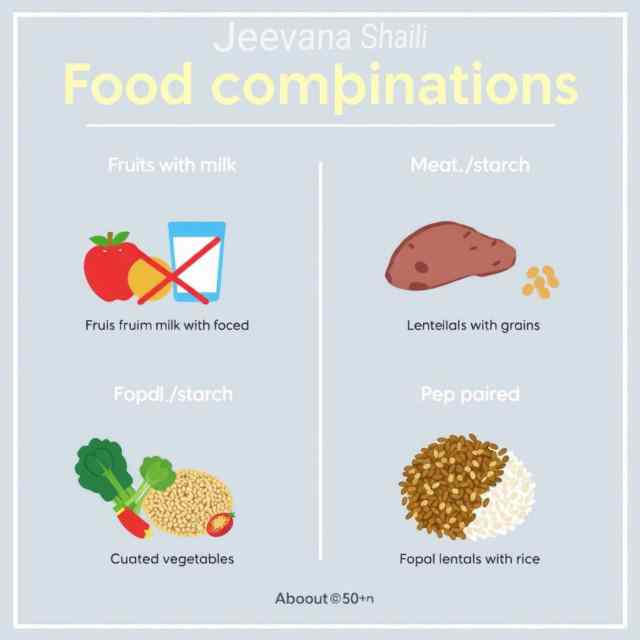
“Some foods are best not eaten together.”
Here are a few options for translating Some foods are best not eaten together into Spanish with slightly different nuances
Algunos alimentos es mejor no comerlos juntos. (This is a very literal and common translation.)
Hay algunos alimentos que es mejor no comer juntos. (This is a slightly more elegant way of saying the same thing, emphasizing that there *are* foods like this.)
Es mejor no combinar algunos alimentos. (This emphasizes the *combining* of foods, suggesting pairing them together.)
Ciertos alimentos no se deben comer juntos this is a stronger statement, implying a more serious reason for not eating them together
The best option depends on the specific context and the level of emphasis you want to convey. If you want a simple and direct translation, the first option is perfectly fine.
Avoid: Fruit with milk, milk with salty foods, meat with starch.
Favor: Cooked vegetables with grains, lentils with rice, spices with fat.
Improper combinations lead to fermentation, gas and the formation of toxins in the intestines.
Secret 3:

Here’s a translation of the text into Spanish, aiming for accuracy and a natural feel:
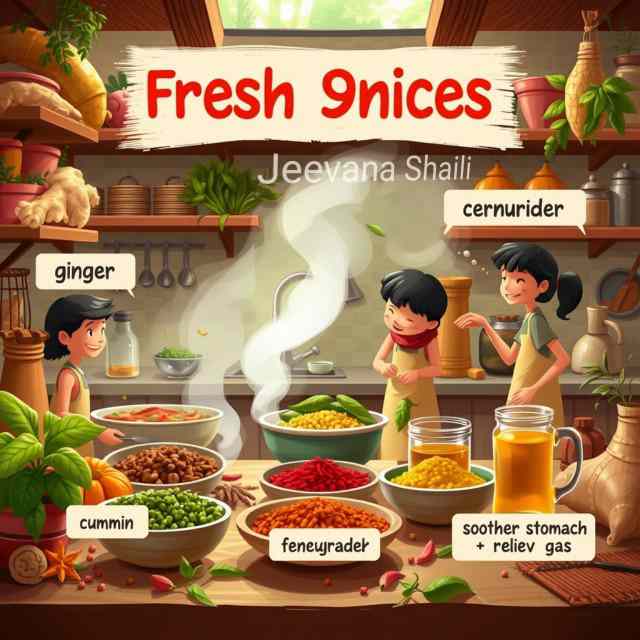
Dale sabor a tu vida (¡y a tu digestión!) “Las especias son más que solo sabor: son medicina.”
Jengibre (Shunti): Estimula el fuego digestivo y alivia las náuseas.
Comino (Jira): Ayuda a la digestión y previene la hinchazón.
Cilantro (Dhaniya): Calma el estómago y refresca la inflamación.
Hinojo (Saunf): Alivia los gases y mejora la absorción de nutrientes.
Cómo usar: Añade a tu cocina diaria o bebe tés calientes con especias.
Explanation of Choices
Dale sabor a tu vida is a common and idiomatic translation of Spice up your life
Fuego digestivo is a more accurate translation of fire in the context of digestion.
I’ve kept the original names Shunti Jir Dhaniya Saunf in parentheses after the Spanish names for clarity, as these names may be familiar to the target audience.
Refresca la inflamación is a more natural way to say “cools inflammation” in Spanish
Hinojo is the correct Spanish translation of Fenugreek in this context. While Alholva is another translation, traditionally Saunf is related to Hinojo.
Añade a tu cocina diaria is a smooth way to say Add to your daily cooking
Tés calientes con especias is a good translation of warm spiced teas
This translation is designed to be clear, accurate, and appealing to a Spanish-speaking audience interested in the benefits of spices
Secret 4:

Drink warm water
Cold water quenches your digestive fire.
Benefits of warm water:
Keeps the fire strong
Removes toxins
Improves bowel movements
When to drink:
Between meals or upon waking.
Avoid cold drinks during or immediately after meals.
When to drink: Between meals or upon waking. Avoid soft drinks during or immediately after meals.
Secret 5:
Avoid processed foods and soft drinks
Modern diets often destroy ancient wisdom
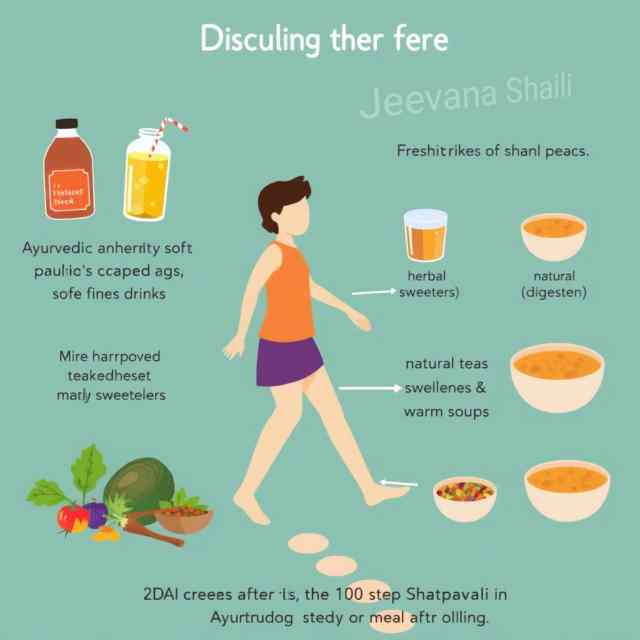
Harmful effects Packaged fried sugary and cold foods weaken the fire
Leading to the accumulation of ama (toxins)
Healthy alternatives Freshly cooked meals, herbal teas, natural sweeteners such as jaggery or honey and warm soups
Bonus Tip
Gentle Movement After Meals
little walk goes a long way for digestion
Take a 100-step walk after meals called Shatpavali in Ayurveda
Benefits:
Boosts metabolism
Prevents heaviness and acidity
Supports bowel regularity
Conclusion: Light your digestive fire naturally
To summarize, here are 5 Ayurvedic secrets for better digestion:
Eat mindfully in a calm environment
Respect food combinations
Incorporate digestive spices
Drink warm water regularly
Avoid processed foods and soft drinks
Bonus Move gently after meals for extra support.
Implementing these time-tested principles can awaken your inner fire (Agni), improving energy, clarity, and overall well-being without any expensive pills or drastic diets. Start small, be consistent, and trust your bodys natural intelligence.